
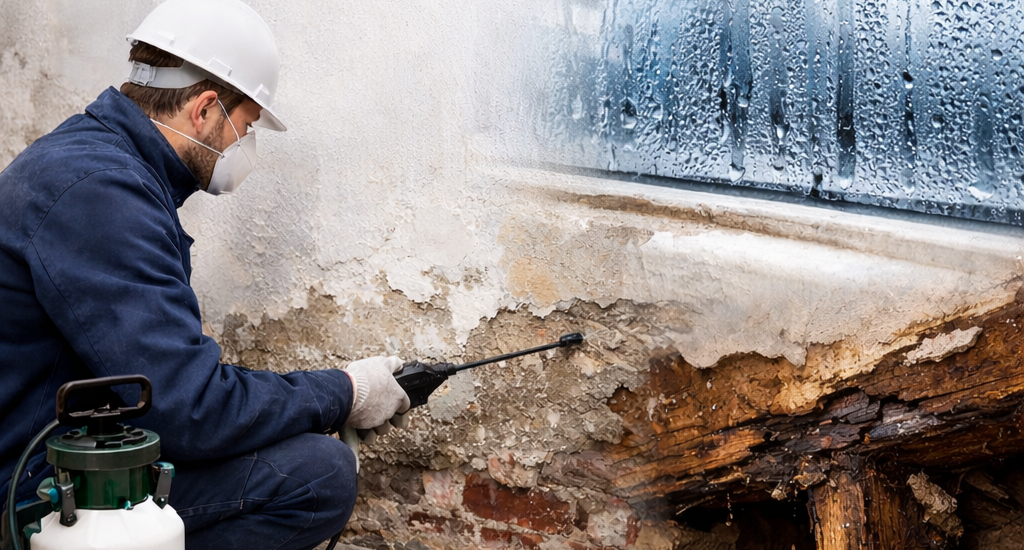
Dampness is one of the most common and damaging problems faced by property owners. Whether it is a residential home, office building, or commercial space, excess moisture can cause serious structural damage, health issues, and costly repairs if not addressed in time. Damp walls, mold growth, peeling paint, and unpleasant odors are clear signs that moisture is affecting your property.
Damp proofing and damp treatment are essential solutions designed to prevent moisture from entering the structure of a building and to eliminate existing damp problems. By identifying the root cause of dampness and applying the correct treatment methods, professionals can protect your property and ensure a healthier living environment.
In this detailed guide, we will explore the causes of damp problems, the different types of damp, and the most effective damp proofing solutions available today.
What Is Damp Proofing?
Damp proofing is a method used to prevent moisture from penetrating the walls, floors, and foundations of a building. It involves applying protective barriers or treatments that stop water from entering the structure.
Buildings are constantly exposed to moisture from rain, groundwater, humidity, and condensation. Without proper damp protection, this moisture can seep into the walls and cause serious problems over time.
Professional damp proofing solutions help create a protective barrier that keeps the structure dry and prevents long-term damage.
Common Causes of Damp Problems
Damp issues can arise due to several factors related to construction, environment, or maintenance problems. Understanding the causes of dampness is the first step in finding the right treatment.
Poor Waterproofing
Many buildings develop damp problems because they lack proper waterproofing systems. Without adequate protection, rainwater and groundwater can penetrate the structure.
Damaged Roof or Gutters
Leaking roofs, cracked tiles, or blocked gutters allow water to enter the building and cause damp patches on ceilings and walls.
Cracks in Walls
Cracks in exterior walls or brickwork can allow rainwater to seep into the structure, causing penetrating damp.
Poor Ventilation
Lack of proper ventilation increases indoor humidity levels, leading to condensation and mold growth.
Faulty Plumbing
Leaking pipes or plumbing fixtures can introduce moisture into walls and floors, creating damp conditions.
Types of Damp Problems
Damp problems are usually classified into three main types. Each type requires a specific treatment method to resolve the issue effectively.
Rising Damp
Rising damp occurs when groundwater travels upward through porous materials such as bricks and mortar. This usually happens when the damp proof course in a building is missing, damaged, or ineffective.
Signs of rising damp include:
- Damp patches near the bottom of walls
- White salt deposits on plaster
- Peeling paint or wallpaper
- Rotting skirting boards
Professional treatment typically involves installing or repairing the damp proof course and applying waterproof coatings.
Penetrating Damp
Penetrating damp occurs when water enters a building through external walls, roofs, or structural defects. This type of damp is often caused by heavy rainfall or poor building maintenance.
Common causes include:
- Cracked brickwork
- Damaged roof tiles
- Blocked gutters
- Faulty window seals
Penetrating damp usually appears as damp patches on walls or ceilings and may worsen during rainy weather.
Treatment involves repairing structural damage, sealing cracks, and improving waterproofing.
Condensation Damp
Condensation is caused by warm air meeting cold surfaces inside the building. When this happens, water droplets form on walls, windows, and ceilings.
Condensation is common in kitchens, bathrooms, and poorly ventilated areas.
Signs of condensation include:
- Water droplets on windows
- Mold growth on walls
- Musty smell in rooms
- Damp patches on ceilings
Solutions include improving ventilation, installing extractor fans, and reducing indoor humidity levels.
Signs That Your Property Needs Damp Treatment
Many homeowners ignore damp problems until they become severe. Recognizing early warning signs can help prevent expensive repairs.
Common signs include:
- Peeling paint or wallpaper
- Dark damp patches on walls
- Mold or mildew growth
- Musty odors in rooms
- Crumbling plaster
- Cold or damp walls
If these symptoms appear, it is important to consult damp proofing specialists to identify the source of moisture and apply the correct treatment.
Damp Proofing Methods
Professional damp proofing services use a variety of techniques depending on the severity and type of damp problem.
Chemical Damp Proof Course
One of the most common methods is injecting a chemical solution into the walls. This creates a waterproof barrier that prevents moisture from rising through the walls.
Waterproof Coatings
Waterproof sealants and coatings are applied to walls and surfaces to prevent water penetration.
Damp Proof Membranes
Special membranes are installed in floors or walls to block moisture from entering the building structure.
Improved Ventilation Systems
Installing proper ventilation systems reduces humidity levels and prevents condensation.
Benefits of Professional Damp Proofing
Investing in professional damp proofing services provides several important benefits for property owners.
Protects Structural Integrity
Damp can weaken building materials and cause long-term structural damage. Damp proofing protects the building’s foundation and walls.
Improves Indoor Air Quality
Damp and mold can cause respiratory problems and allergies. Removing moisture creates a healthier living environment.
Prevents Costly Repairs
Early damp treatment prevents extensive damage that can lead to expensive repairs in the future.
Enhances Property Value
A well-maintained and damp-free property has higher market value and is more attractive to buyers or tenants.
Tips to Prevent Damp Problems
Preventing damp problems is easier and more affordable than repairing them. Property owners can follow these simple tips to reduce moisture issues.
- Ensure proper ventilation in kitchens and bathrooms
- Regularly clean and maintain gutters
- Repair roof leaks immediately
- Fix plumbing leaks promptly
- Seal cracks in walls and foundations
- Use dehumidifiers in humid areas
Regular property inspections also help detect damp issues before they become serious.
Why You Should Hire Damp Proofing Experts
Damp problems are often more complex than they appear. Professional damp proofing specialists have the expertise, equipment, and materials needed to identify the exact cause of moisture problems.
Experts conduct detailed inspections, diagnose the issue accurately, and apply the most effective treatment methods.
Professional damp treatment ensures long-lasting protection and prevents the problem from returning.
Conclusion
Damp problems can seriously affect the safety, comfort, and value of your property. From rising damp and penetrating damp to condensation issues, moisture can cause extensive structural damage if not treated promptly.
Damp proofing and damp treatment provide effective solutions to eliminate moisture problems and protect buildings from long-term damage. By identifying the cause of dampness and applying the right treatment methods, property owners can maintain a safe, dry, and healthy living environment.
Regular maintenance, proper ventilation, and professional inspections play a crucial role in preventing damp issues and preserving the integrity of your property.
If you notice signs of damp in your home or building, consulting professional damp proofing experts is the best step toward protecting your property for the future.
